The three waves
Survival centers on security. Status centers on comparison and power. Meaning centers on identity, purpose and contribution.

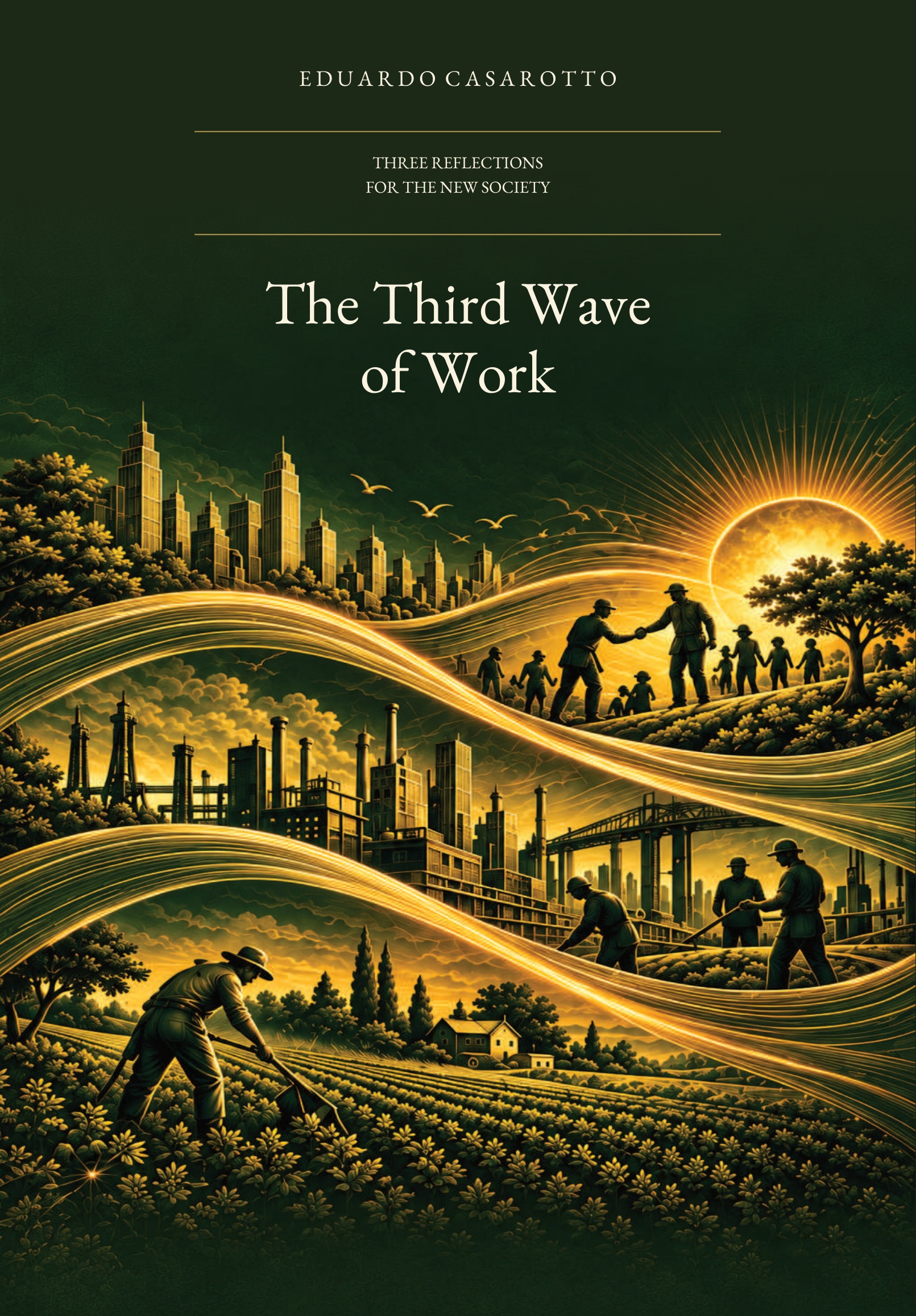
WORK, IDENTITY AND PURPOSE
From Survival to Status, from Status to Meaning
What moves a person to work?
Survival, status and meaning organize very different relationships with work. Casarotto examines these orientations through Virtology and asks why people in the same organization can experience the working day so differently.
The third wave places identity, purpose and contribution at the center of work. The transition involves both the person and the organization: what people seek, what managers reward and which working conditions an institution permits.
Download this book’s presentation ↓Survival centers on security. Status centers on comparison and power. Meaning centers on identity, purpose and contribution.
Generational conflict, provider expectations, political performance, AI and automation reveal the friction between orientations.
Leadership, recognition, rules and working conditions become part of the humanization of work.
The three waves can coexist in the same society, workplace or family. The book does not assign every member of a generation to one wave.
A young person refuses a job that an older generation would have valued. An employee keeps achieving yet feels that the work means little. The Third Wave of Work approaches these tensions through a question about motivation: what is work for?
Casarotto proposes three orientations. The first organizes work around survival. The second gives priority to competition, status and importance. The third connects work with identity, purpose and contribution. These orientations overlap in time and can coexist within the same institution.
The book follows the forces pressing for change, including generational conflict, expectations surrounding the provider role, and AI and automation. Chapters on reversism, antipersona and the political stage extend the argument to the ways people and institutions respond to changing expectations.
The final movement considers how individuals and organizations change waves. It reexamines leadership and humanization through working conditions, institutional rules and human needs. The proposal asks organizations to examine the conduct they reward and the forms of contribution they make possible.
For readers of this book
Readers interested in the future of work, organizational culture and social change, including managers, human resources professionals and educators.
Its place in the trilogy
It describes the world of work for which The Pedagogy of Inscription proposes a different kind of school.
THE COLLECTION
It describes the world of work for which The Pedagogy of Inscription proposes a different kind of school.
Available individually or as part of the complete three-book set.
Enquire about this book ↗